It’s possible to sit under God’s Word for years and still stay the same. Not because the message is weak, but because growth is never automatic. Jesus described four different ways a heart can respond to the same seed, and His picture is uncomfortably honest. The question isn’t whether the Word is true. The question is what kind of soil we’re becoming.
The seed is not the problem
In Jesus’ story, the sower scatters seed broadly and generously. The seed is good. It’s not defective, outdated, or powerless. Jesus plainly identifies the seed as “the word of God” (). That means when the message of Christ doesn’t take root, we should be careful before blaming the gospel, the church, or the times we live in.
We can spend a lot of energy trying to “upgrade” spiritual life with better routines, better inspiration, better strategies. But Jesus directs our attention somewhere else: the condition of the heart that receives the Word (). The same Scripture that softens one person can harden another. The same teaching that reshapes a life can bounce off another life like rain off pavement.
That’s sobering—but also hopeful. If soil can be cultivated, then hearts can be changed.
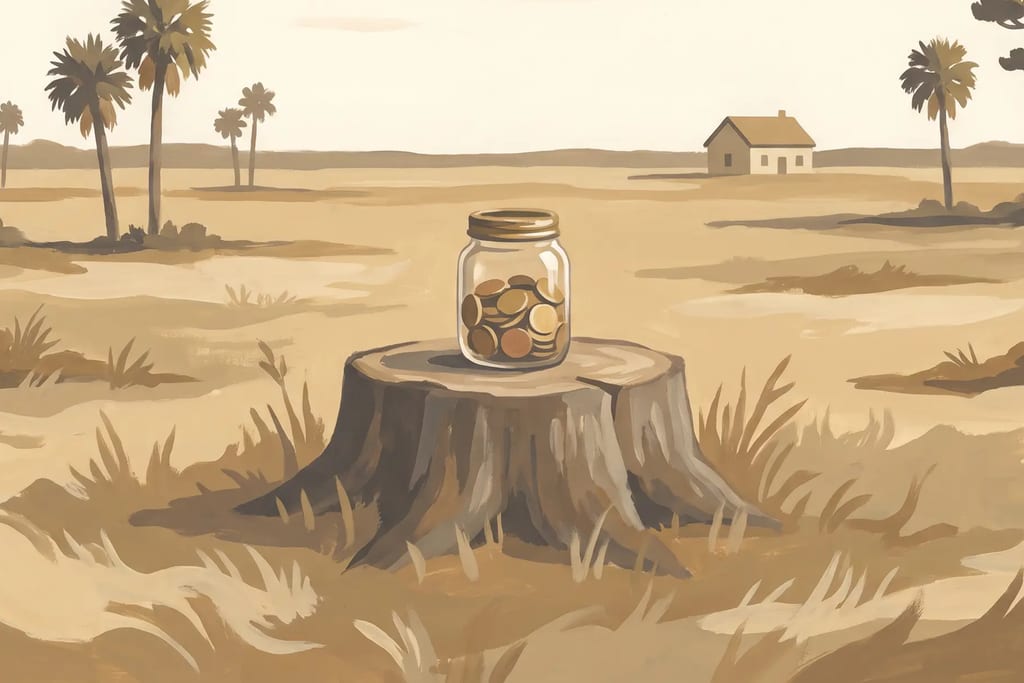
The hardened path heart
Some seed falls beside the road, where it is trampled and quickly taken away. Jesus says this pictures those who hear, but the devil snatches the Word so they won’t believe (). It’s a heart that stays closed. The Word lands, but it never penetrates.
This isn’t always loud rebellion. Sometimes it looks like polite distance: “That’s interesting,” followed by no change. Sometimes it looks like deep attachment to tradition, where someone cannot imagine that long-held assumptions might need correction. Sometimes it’s simply a love of sin—a refusal to let God re-order desires and decisions.
A hardened heart often hides behind a thousand reasons, but the effect is simple: the Word never gets a real chance. And because nothing takes root, nothing can grow.
A helpful prayer here is not complicated: “Lord, make me teachable.” That kind of humility is the first crack in the hard ground.
The shallow heart that starts strong
Other seed falls on rocky soil, springs up quickly, and then withers. Jesus says these are people who receive the Word with joy and “believe for a while,” but in temptation they fall away (). That line matters. Jesus doesn’t describe pretend faith. He describes real belief that doesn’t develop roots.
Roots take time. They grow unseen before they ever support visible fruit. Without roots, a person can be sincere and still be unstable—especially when faith begins to cost something.
Scripture consistently warns believers to endure and not drift. Paul even disciplines his own life because he knows finishing matters (). The Christian race is not won by a burst of excitement at the starting line. It’s won by steady faithfulness when the weather changes.
Sometimes shallow faith is connected to uncounted cost. Jesus urged people to count what following Him requires (). Not to scare them away, but to keep them from collapsing later. A faith that only works when life is comfortable is not ready for the real world.
If you feel your resolve weakening, don’t just try harder—go deeper. Put down roots in the Word, in prayer, and in consistent obedience.
The distracted heart that never matures
Then Jesus describes seed among thorns—plants that grow, but get choked before producing mature fruit. He explains that worries, riches, and pleasures strangle spiritual life (). Notice what’s happening: this person doesn’t necessarily stop believing. They don’t necessarily stop showing up. But they stop progressing.
This is one of the most subtle dangers because it feels normal. Life gets busy. Schedules thicken. Work expands. Entertainment multiplies. Anxiety consumes bandwidth. And slowly, the Word gets crowded out—not by one dramatic betrayal, but by a thousand small surrenders.
The result is tragic: a life that looks alive but stays unfruitful.
Jesus’ point presses us toward a hard but freeing question: what is choking me? Not what is “wrong” in the abstract, but what is tangling around my soul right now.
Sometimes the thorns are worries. They keep the mind racing and the heart cramped, leaving no room for meditation or gratitude. Sometimes the thorns are riches—not merely having money, but being ruled by it. Sometimes the thorns are pleasures—good gifts turned into masters.
The cure is not guilt; it’s re-ordering. Jesus calls us to put first things first—to seek God’s reign and priorities before everything else (). That isn’t a slogan. It’s a way of life: time, attention, and choices shaped around what matters most.
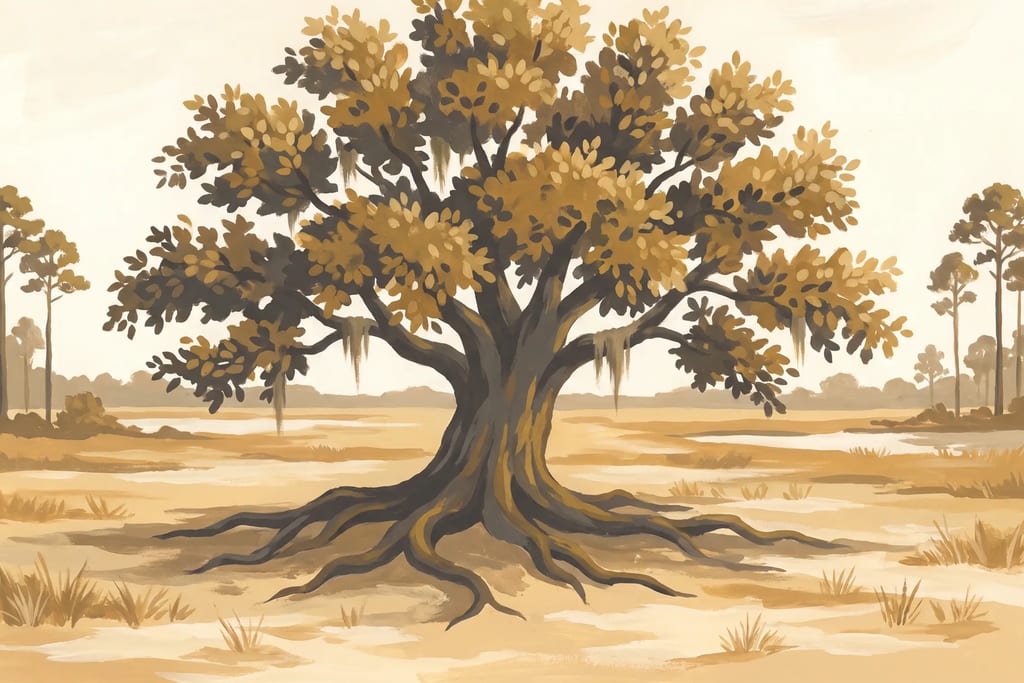
The good soil heart that holds fast
Finally, Jesus describes the good soil: those who hear the Word “in an honest and good heart,” hold it fast, and bear fruit with perseverance (). Good soil isn’t perfect soil. It’s receptive soil—humble, honest, and steady.
This heart does more than admire truth. It clings to it. It obeys it. And over time, it produces something you can see.
Jesus says fruit brings glory to the Father (). That fruit includes character—love, integrity, purity, patience. It includes faithful actions—service, generosity, encouragement. It includes the way we treat people day to day, living the kind of life described by the golden rule (). Fruit is what grows when the Word is not merely heard but welcomed, trusted, and practiced.
Perseverance is part of the picture because fruit takes time. The goal is not instant transformation, but lasting transformation. A good soil life is not built on spiritual adrenaline. It’s built on a pattern of repentance, renewal, and returning to the Word.
Cultivating the soil you have
The beauty of Jesus’ picture is that soil can change. Hard ground can be broken. Rocky places can be cleared. Thorns can be pulled. None of that happens accidentally, and none of it happens without intention.
Start where you are:
- If you’ve been resistant, ask for a listening heart and decide to obey what you already understand.
- If you’ve been shallow, commit to steady practices that grow roots—Scripture intake, prayer, and consistent worship.
- If you’ve been distracted, name the thorns honestly and cut them back with courage.
- If you’ve been fruitful, keep going—because perseverance is the pathway to maturity.
The Word of God is still living and powerful, and the sower still scatters seed. The question Jesus leaves with us is not whether the seed can produce. It’s whether we will become the kind of soil that lets it.