Sometimes the hardest part of faith is not choosing between right and wrong—it’s choosing between the whole truth and the partial truth that feels simpler. Many people carry real sincerity, real interest in God, and real respect for Scripture, yet still feel uncertain about what it means to be saved. The confusion often isn’t because the Bible is unclear, but because we’ve learned to build our view from a few favorite lines instead of letting the full message speak.
Why “the whole Bible” matters when the question is salvation
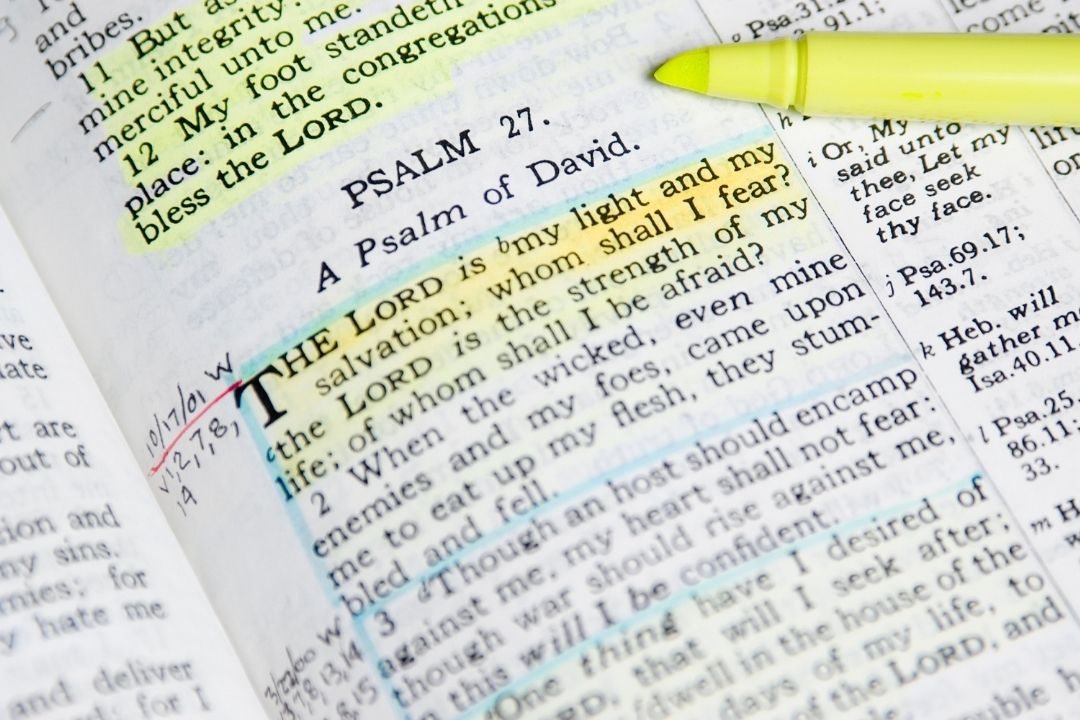
One verse can be precious. But one verse was never meant to carry the entire weight of the gospel. That’s why the Psalmist says, “The sum of Your word is truth” (). Truth becomes clearer when it’s gathered, not when it’s isolated.
This is especially important with salvation because Scripture describes the work of God and the response of man in more than one place, and from more than one angle. If we only listen to the parts we already like, we’ll end up with something that sounds comforting but isn’t complete.
Even the role of the evangelist includes equipping others to serve and teach faithfully, not just repeating slogans (). Clear teaching isn’t about winning arguments; it’s about helping people see what God actually said.
When one part stands for the whole
In everyday life, we constantly use shorthand. We say “I need a new set of wheels” when we mean a car. We say “I need a cup of coffee” when we mean what’s in it. Scripture also uses this kind of shorthand at times.
That’s why you can read a verse like and see belief emphasized (). Belief is essential. But belief isn’t meant to be reduced to mere mental agreement. In many contexts, “believe” stands for a full turning of the heart toward Christ—a faith that receives what God says and responds accordingly.
The same is true when a passage emphasizes baptism. Scripture can say “baptism now saves you,” because baptism is the God-appointed moment of entry, the obedient response where one appeals to God with faith and a clean conscience (). But baptism isn’t a magical act performed without repentance or faith. It is the culminating response of a person who has been taught, convicted, and surrendered.
The danger is subtle: we add the word only to verses that never include it. “Believe” becomes “believe only.” “Baptism” becomes “baptism only.” And the Bible ends up sounding contradictory—not because it is, but because we made it that way.
The Bible’s conversion accounts show a process, not a slogan
One of the clearest ways to cut through confusion is to watch what happens when real people ask the real question: “What must I do to be saved?”
In Acts 16, the jailer begins as an outsider who needs to be introduced to Jesus. He is told to believe, and then the story shows what that belief included—immediate instruction and immediate baptism (). In other words, belief was not a stopping point. It was the beginning of obedience.
In Acts 2, the people listening are already convicted. They recognize their guilt and ask what to do. The answer isn’t a vague reassurance—it’s repentance and baptism for forgiveness (). Different people, different starting point, but the same gospel leading to the same surrender.
This also helps explain why a person may hear one component emphasized at one moment and another component emphasized at another moment. The emphasis often depends on where the person is in their understanding. If someone doesn’t know Jesus, they must first come to faith. If someone is convicted and ready, the next step may be repentance. If someone has learned and believes, the call may be to obey fully.
Salvation is God’s work, and our response is real
A balanced biblical view keeps two truths together.
First, salvation is God’s work—His grace, His initiative, His love, His plan. We don’t save ourselves by earning points. We respond to what God has done.
Second, God still calls for a real response. James refuses to let faith become a passive label: we are not justified by “faith alone” (). That doesn’t mean we earn redemption. It means saving faith is living faith—faith that obeys.
This is why Scripture can connect salvation with washing and renewal. God saves, and He does it through the cleansing He provides, tied to the new birth He brings (). The point is not to turn the gospel into a checklist. The point is to honor the way God describes His saving work—and the way He calls us to submit to it.
Why shortcuts feel appealing and why they fail
People love shortcuts because they reduce discomfort. A shortcut removes the need for repentance. It removes the need for surrender. It removes the need to change.
But the gospel does not avoid those things. It confronts sin honestly and offers real cleansing. It calls us to confess Christ as Lord and actually live under His authority. That’s why the New Testament frames daily life “in the name of the Lord Jesus” (). Christianity is not merely a moment; it is a life that submits.
Consider Paul’s own story. He believed Jesus was Lord, he was humbled, and he was praying. Yet he was still told to rise and be baptized and wash away his sins (). The Bible doesn’t present this as unnecessary or symbolic-only. It presents it as obedient faith completing its response.
A simple way to read salvation passages with clarity
If you want a practical approach when you read verses about salvation, try this:
- When a passage highlights one element (belief, repentance, baptism, confession), ask: Is this the whole story, or is this one spotlight within the whole story?
- Then look for the fuller pattern across Scripture: What does God consistently require when people come to Christ?
The result is not confusion—it’s harmony. You stop forcing verses to compete with each other, and you let them work together.
And the heart behind it is simple: we don’t want to leave anything out. Not because we’re trying to be complicated, but because we’re trying to be faithful. When the question is salvation, faithfulness means listening to the whole message and responding to Christ with a whole heart.