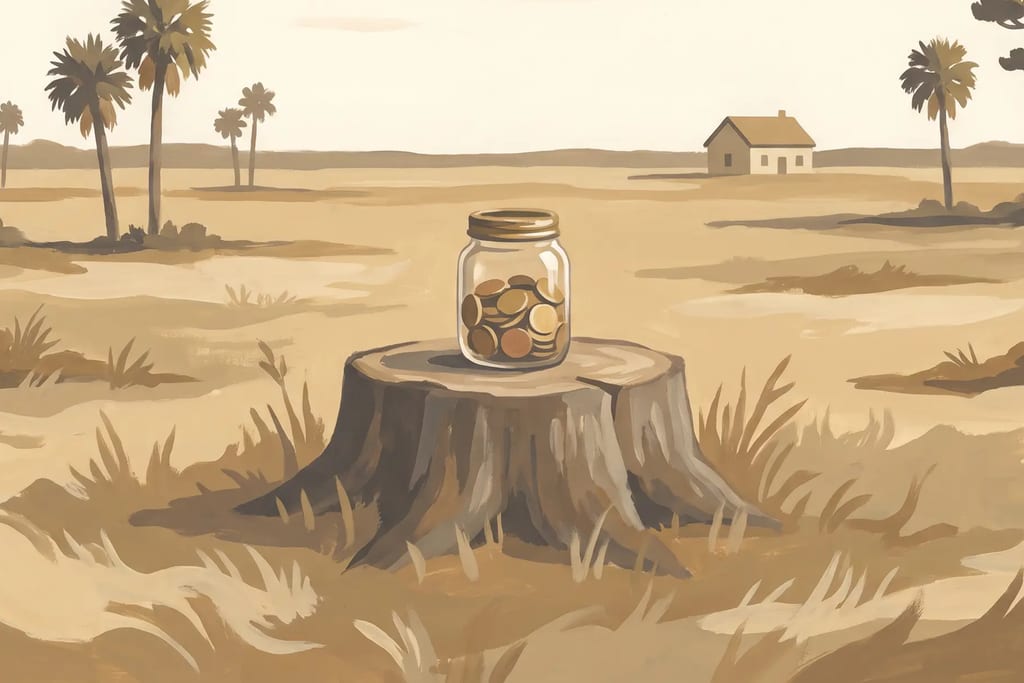
Pain visits every life sooner or later, whether through a hard diagnosis, a sudden loss, a broken relationship, or a disaster we only read about from far away. Almost everyone eventually asks the same aching question: why does a good God allow so much suffering in the world? Scripture does not dodge that question. It offers real, grounded answers that can steady a heart in the middle of the storm.
Suffering Has More Than One Source
The Bible is honest about the fact that pain has many roots. Sometimes it grows out of our own choices. paints a vivid picture of a person who drinks too much and wakes up wounded, confused, and still reaching for another cup. Solomon is not writing a warning about alcohol alone. He is showing how our own decisions can plant seeds that grow into sorrow.
At other times, we suffer because of someone else’s choices rather than our own. records a report brought to Jesus about Galileans killed by Pilate, their blood mixed with their own sacrifices. Jesus does not explain that tragedy away. He simply acknowledges that innocent people can suffer terribly because of the sin of others. The same reality plays out today whenever an innocent person is hurt by someone else’s cruelty, carelessness, or greed. Free will makes real love possible, but it also makes real harm possible, and both flow from the same gift of choice that God built into us.
When Pain Comes From Beyond Us
Not every trial can be traced to a human decision. Job 1-2 describes a righteous man who lost his wealth, his health, and his children, and the text is direct about the source: it was the accuser, not God, who brought that devastation. Paul later describes his own unnamed struggle in as a thorn in the flesh, a messenger of Satan sent to torment him. Both men suffered without having sinned their way into it. Scripture simply admits that some pain has a spiritual source that we cannot always see or explain.
Living in a Broken World
Some suffering is simply the by-product of living in bodies and on a planet that groan under the weight of sin. Ecclesiastes 12 describes the slow decline of aging with striking honesty, the dimming eyes, the trembling hands, the fading strength. Solomon is not being morbid. He is being realistic about what it means to live in a world that is not yet fully redeemed. Storms, sickness, and accidents are not proof that God has abandoned anyone. They are evidence that creation itself is still waiting to be made whole.
Pain That Refines Rather Than Ruins
Here is where the story turns. tells believers to consider it pure joy when they face trials, not because pain feels good, but because the testing of faith produces endurance, and endurance leads to spiritual maturity. Peter says something strikingly similar in , comparing trials to a fire that proves genuine faith the way flame proves genuine gold. Neither writer minimizes the hurt. They simply insist that hurt is not the end of the story. It can be the very thing God uses to burn away pride, shallow devotion, and self-reliance, leaving something stronger and more genuine behind.
Suffering Can Prepare Us to Help Others
There is another purpose tucked inside pain that is easy to miss while we are living through it. Paul writes in that God comforts us in every affliction so that we can comfort others facing the same kind of affliction. The parent who has buried a child can sit with another grieving parent in a way no one else can. The person who has battled illness can offer a kind of hope that only comes from having walked that road. What feels like wasted suffering in the moment can become the very equipment God uses later to bring comfort to someone else.
The Deeper Danger
After describing the Galileans killed by Pilate and eighteen people crushed when a tower fell, Jesus adds a surprising turn in and , saying that unless his hearers repent, they too will perish. He is not being harsh. He is making a point that reorders our priorities. Tragedy is real and serious, but it is not the most serious danger a person faces. Dying in unrepented sin is a far graver outcome than any earthly suffering, and that truth should turn our attention away from demanding explanations and toward examining our own hearts.
Hope Beyond the Hurt
This is ultimately why suffering does not get the final word. Jesus himself entered into suffering, enduring the cross so that sin could be forgiven and death could lose its grip. Because he was willing to suffer, those who believe in him, repent of sin, confess him as Lord, and are baptized into Christ can face every trial with the confidence that comfort, purpose, and eternal hope are already secured. Pain may still come, but it no longer has the power to define the ending.