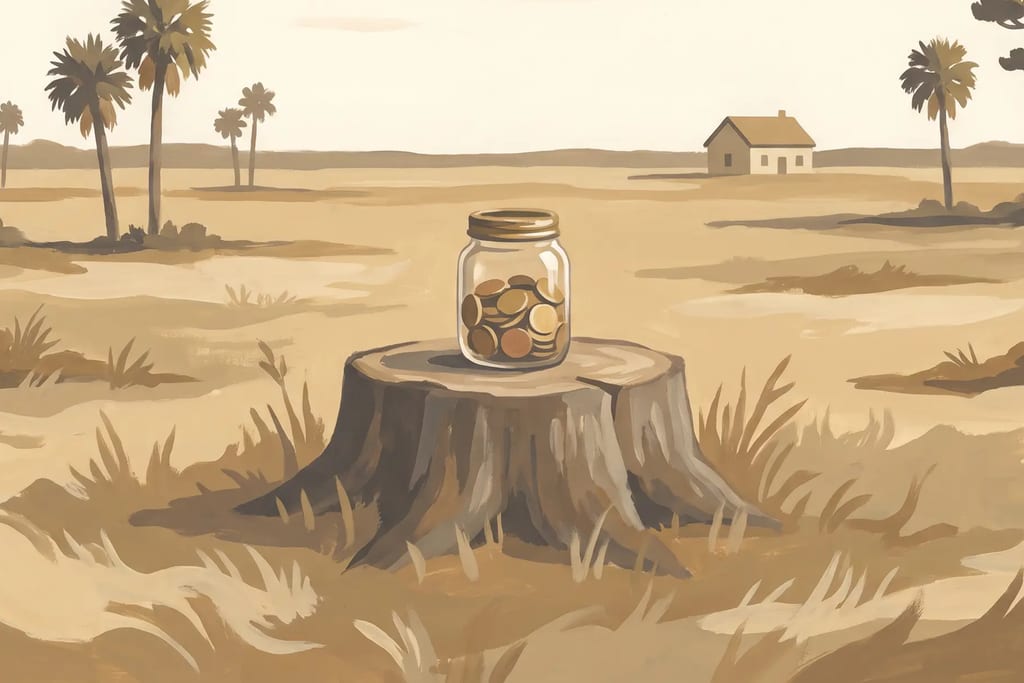

Some of the hardest battles are not with what is happening right now, but with what happened years ago. A person can repent, change, and genuinely seek God, yet still wake up with old memories pressing down like fresh accusations. The mind replays it. The heart cringes. The voice inside says, God may have forgiven you, but you will never be clean again. Scripture does not minimize the weight of sin, but it also refuses to leave the forgiven trapped in lifelong self-condemnation.
Honest sorrow is not the same as endless punishment
Psalm 51 gives language to real grief over real sin. David does not excuse himself or blame circumstances. He pleads for mercy, acknowledges his transgressions, and asks God to cleanse him (). That kind of honesty is necessary. Godly sorrow is not an inconvenience to get around. It is part of returning to God with a truthful heart.
But Psalm 51 also shows that repentance is not meant to be a permanent prison. David asks for more than a clean record. He asks for a clean heart and a renewed spirit (). That request implies forward movement. He is not asking to stay broken forever. He is asking God to restore him so he can live faithfully again.
When believers confuse humility with ongoing self-punishment, they drift into something Scripture never commands. They start treating guilt like a badge of seriousness, as if continuing to feel condemned is proof they really regret it. But God’s goal is not that we live crushed. God’s goal is that we live cleansed.
Trusting forgiveness is part of faith
One reason the past stays heavy is that we quietly stop trusting what God says about forgiveness. We may know the verses, but in practice we keep acting as if God’s promise is not reliable.
The gospel is not only about what we should feel. It is about what God actually does when we respond to Him. When people repented and were baptized, the promise was forgiveness (). When a believer sins and confesses, the promise is cleansing, not partial, not temporary, but complete (). God even says He will remember forgiven sins no more, which is a stunning statement about His mercy and His covenant faithfulness ().
If God says He is done holding a forgiven sin against you, then refusing to let it go is not humility. It is unbelief dressed up as spirituality. It places more weight on your feelings than on God’s word.
This is why the gospel is called power. It is not merely an idea that makes us sentimental. It is God’s saving action for everyone who believes (). When we keep rehearsing forgiven sins like they are still charged to our account, we live as if the gospel is weak. Scripture says it is not.
You are not the only one with a past
Part of Satan’s strategy is isolation. He wants you to believe your failures disqualify you more than anyone else. Yet the Bible is full of people who served God while carrying memories they would rather erase.
David had a past, and Psalm 51 exists because he refused to pretend otherwise. Paul had a past, and he did not hide it either. He admitted he had been a blasphemer and aggressor, and still he magnified the mercy of Christ (). The point is not to normalize sin. The point is to expose the lie that you are uniquely ruined.
The church is not a museum of spotless people. It is a family of redeemed people. Every faithful saint has a story of grace behind them. That does not make sin small. It makes mercy big.
Leave the past where God put it
There is a practical step that follows trust. You leave the past in the past. That is not denial. It is a decision about direction.
Paul gives a clear picture of this in Philippians 3. He speaks of “forgetting what lies behind” and “reaching forward to what lies ahead” (). Paul is not claiming he cannot remember facts. He is describing a refusal to live facing backward. He will not let yesterday define today’s obedience.
This matters because shame can become a kind of spiritual paralysis. It keeps a person from praying confidently, serving with joy, or believing they can be useful. But the New Testament insists that forgiveness creates a new identity. In Christ, people become new creations (). That newness is not pretend. It is the result of God’s grace applied to real sinners who truly turn to Him.
So when old accusations surface, you can answer them with truth. Yes, it happened. Yes, it was sin. Yes, I repented. Yes, God forgave. And because God forgave, I will not keep dragging it back up as if the cross did nothing.
Use past failure as fuel for faithful living
Moving forward is not just emotional relief. It is renewed purpose.
A forgiven person does not treat grace as permission to drift. Grace becomes motivation to press on. Paul did not use his past to quit. He used it to appreciate the mercy of God more deeply, and to serve with greater resolve. The goal was not to erase history but to redeem the future.
That means your past can teach you. It can deepen your humility. It can increase your compassion toward others. It can sharpen your vigilance. It can make you grateful for the patience of God. But it must not be allowed to become a chain.
If guilt keeps you stuck, it is worth asking a simple question: is this drawing me closer to God or keeping me from Him? Godly sorrow moves toward repentance and restoration. Hopeless shame moves toward hiding.
God invites His children to walk in the light, not because they never failed, but because Christ cleanses those who come honestly and keep coming (). And when we accept that cleansing, we are free to do what forgiven people are called to do: live faithfully today.